Natural materials guide
All About Loofah: What Is A Loofah?
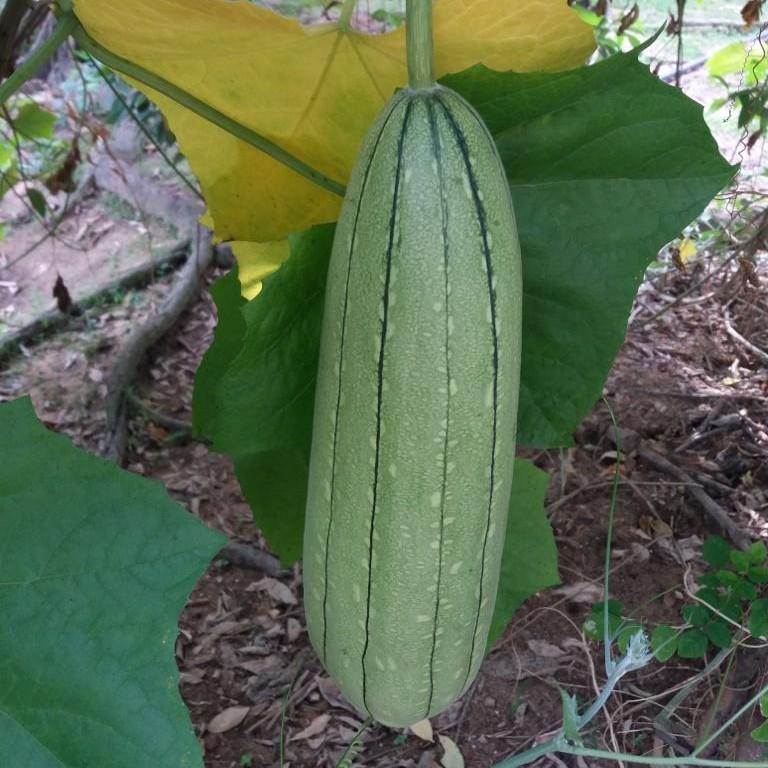
What is a loofah? A loofah is the dried fibrous inside of a mature loofah plant fruit. It grows on a vine, a bit like a cucumber or squash, then turns into a natural loofah sponge when the fruit is peeled, cleaned and dried.
What is a loofah?
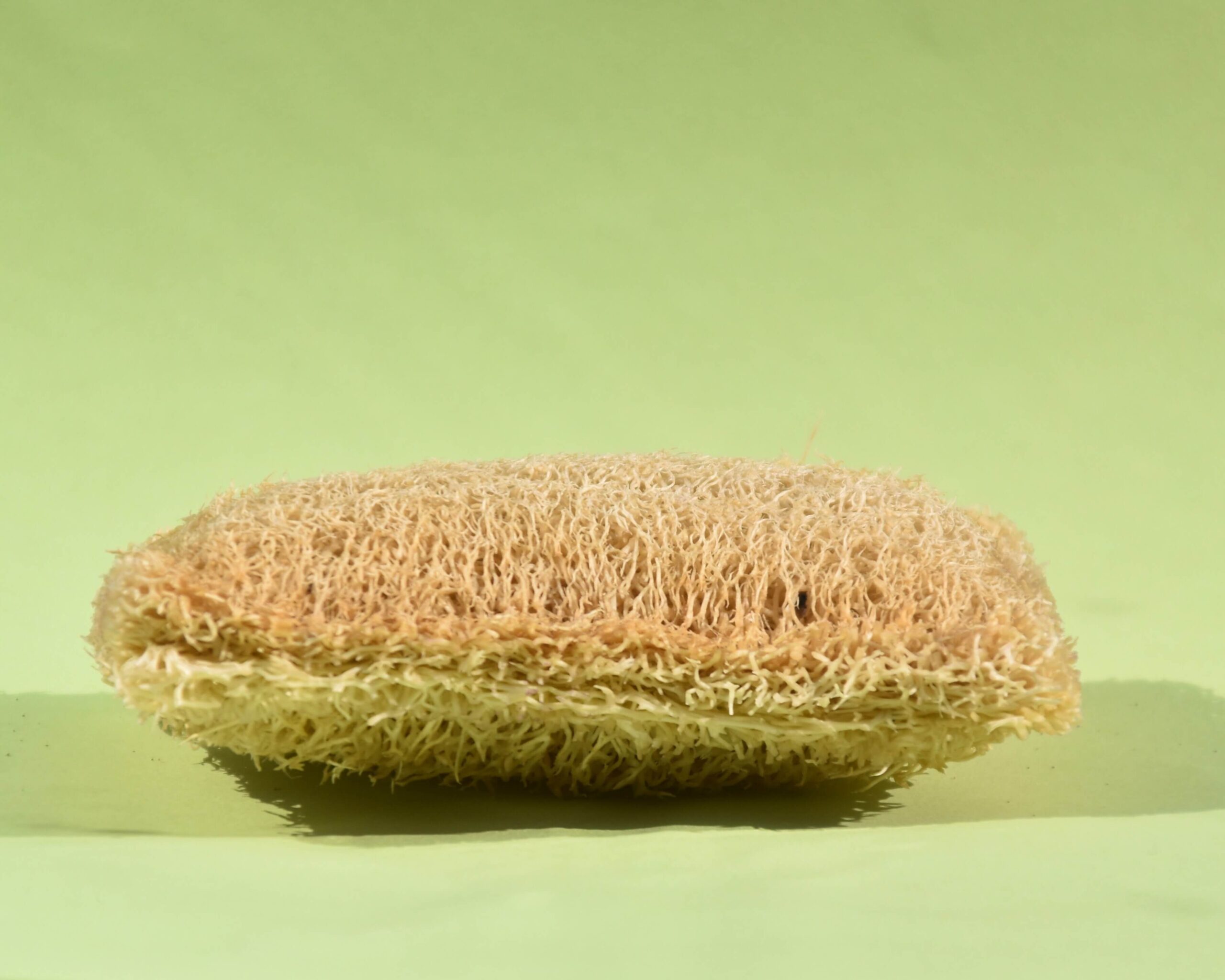
A natural loofah sponge is the dried fibrous skeleton inside a mature loofah plant fruit. It is not a plastic shower puff, not a sea sponge, and absolutely not cake. It is a plant-grown scrubby thing, which is much more interesting.
The plant name is usually written luffa, while the scrubby sponge is often written loofah. You will also see people search for loofa, lufa and luffa, because apparently this useful vegetable decided spelling should be a group project.
However you spell it, the useful bit is the same: a lightweight, open network of plant fibre that softens when wet and works brilliantly for washing, scrubbing and plastic-free cleaning.
Plant-grown
Natural loofah comes from a gourd-like fruit, not oil-based plastic.
Scrubby when wet
Dry loofah is firm, but it becomes more flexible once soaked.
Home useful
It works for bathrooms, kitchens, sinks, surfaces and stubborn bits.

Loofah definition: what does loofah mean?
A loofah is a natural scrubber made from the dried fibre inside a mature luffa gourd. In everyday language, “loofah” usually means the sponge-like scrubby used for bathing, exfoliating, washing dishes or cleaning around the home.
Strictly speaking, Luffa is the plant genus. Loofah is the familiar spelling for the sponge, and luffa is the more botanical spelling. That is why people search for what is a loofah, what is loofah, define loofah, loofa and luffa and still mean roughly the same wonderfully odd plant sponge.
Wait, loofah is not a sea sponge?
Nope. A natural loofah is not related to the sponges that live on the seabed. Sea sponges are fascinating little creatures. Loofahs are plants.
It is still perfectly normal to call a loofah a sponge in everyday use, because it behaves like one: it holds water, creates a scrubby surface, and helps wash things. But biologically, it comes from a climbing vine in the gourd family.
That means the “natural loofah sponge” in your bathroom or kitchen started out as a fruit. Which is frankly more exciting than most bathroom accessories have any right to be.
Five loofah facts that are actually quite fun
Loofah is one of those materials that sounds ordinary until you realise it has been quietly being ridiculous the whole time.
Source rabbit hole: Britannica on loofah, Kew on Luffa aegyptiaca, and research on luffa sponge fibre structure.
How are loofah sponges made?
When the loofah fruit is young, it can be eaten in some cuisines. As it matures, it becomes tougher, more bitter and much more fibrous.
Once fully grown and ripened, the fruit can be peeled, deseeded, cleaned and dried. The soft outer flesh is removed, leaving the open network of natural fibre inside. That dry fibre is what becomes a loofah sponge.
So when people ask what a loofah is made of, the answer is pleasingly simple: dried plant fibre from the mature luffa fruit. No plastic puff nonsense required.

What can you use a loofah for?
A natural loofah is most famous as a bathroom scrubber, but it is not limited to elbows and suspiciously grubby feet.
Depending on the shape and thickness, loofah can be used for gentle body exfoliating, washing, cleaning sinks, wiping surfaces, helping shift stubborn bits from dishes and pans, or adding a natural scrub layer to a cellulose cleaning sponge.
So, is loofah better than plastic?
For washing, scrubbing and general low-waste usefulness, natural loofah has a lot going for it. It comes from a plant. It has a naturally useful texture. And plain natural loofah can return to the earth at the end of its useful life.
Plastic shower puffs and synthetic sponge scourers are usually made from oil-based materials. They can shed tiny plastic fibres, wear out, and then sit around being landfill’s least charming confetti.
That does not mean loofah is magical. It still needs to be rinsed, dried properly and replaced when tired. But as a simple plant-based scrubby, it is a very sensible plastic-free swap.
Lovely loofah things we happen to sell
Here are the usual loofah suspects to point people towards from this guide. Practical, plant-based and significantly less oil-plastic-goblin than the usual synthetic alternatives.

Loofah questions people often ask
Quick answers for anyone trying to work out whether loofah is a plant, sponge, vegetable, spelling test or bathroom mystery.
The short version
A loofah is a plant. The useful sponge bit is the dried fibre from inside the mature fruit.
It is naturally scrubby, useful around the home, and a good alternative to oil-based plastic puffs and synthetic scourers.
Use it, rinse it, dry it, and when it has finally had enough of your sinks, elbows and suspicious pans, let it go back to the soil. That is the whole pleasant point.
Ready for something naturally scrubby?
Browse natural loofah sponge products and other practical plastic-free swaps for the bathroom, kitchen and home.