Natural materials guide
All About Bamboo: What Is Bamboo?
What is bamboo? Bamboo looks a lot like wood once it has been cut, shaped and polished, but it is not wood and it does not come from a tree. It is a strong, woody-looking grass that renews well and works brilliantly in practical plastic-free swaps.
What is bamboo?
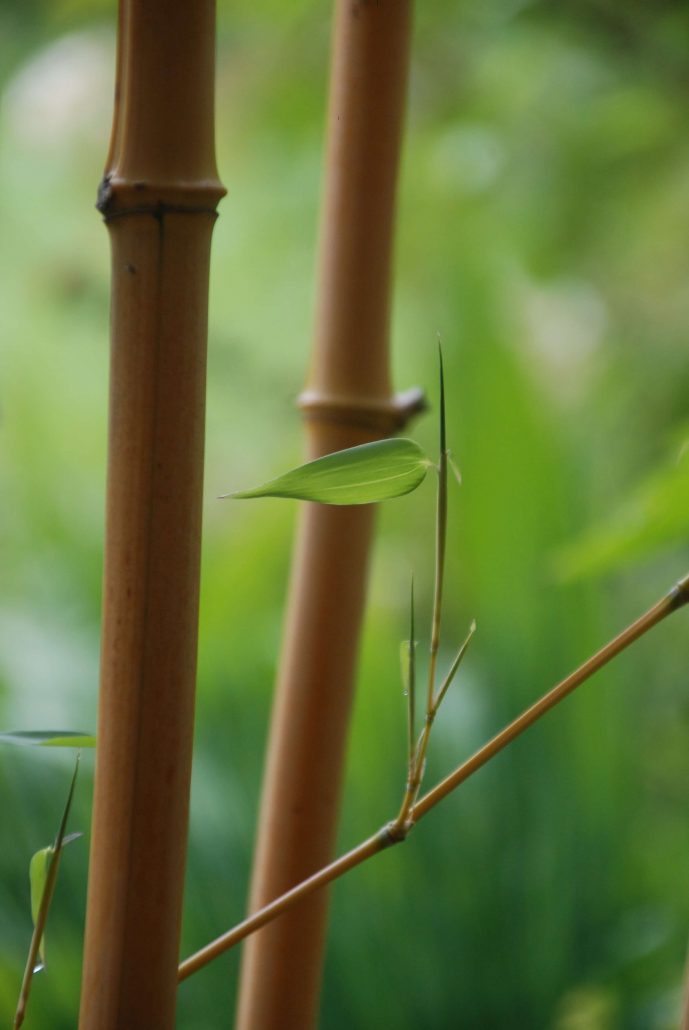
Bamboo is a grass, not a tree, and it is not wood. It has a hard, woody stem, which is why people often talk about bamboo as if it were a type of timber, but botanically it belongs to the grass family.
Because bamboo grows from a strong root system and can regrow after harvesting, it is a useful sustainable bamboo material for products that need to be strong, light and practical.
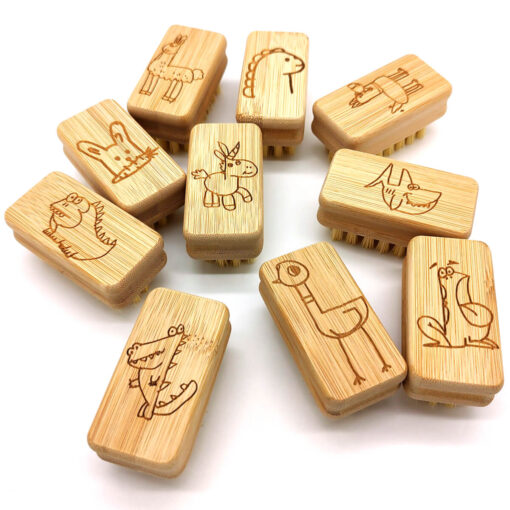
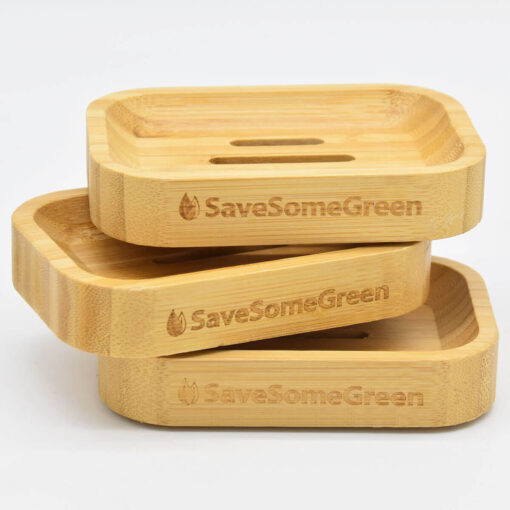
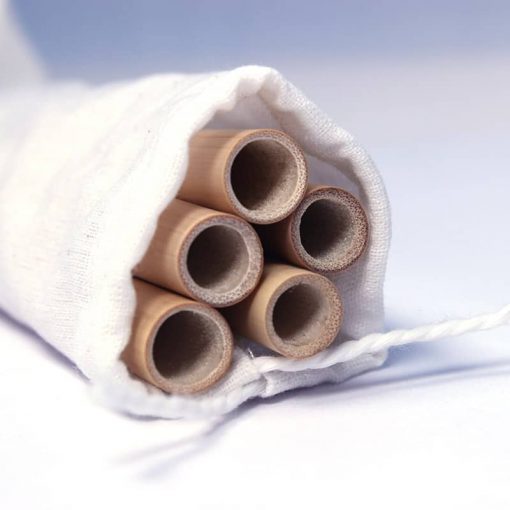
It can become toothbrush handles, cotton bud stems, nail brushes, soap dishes, straws, paper products, kitchen items, building material and a surprising number of other useful things. In other words, bamboo is not a new eco fad wearing a little green hat. It is ancient, practical and very good at being useful.
Rapidly renewable
Many bamboo species grow quickly, making bamboo useful for repeatable material production.
Woody-looking
Bamboo has a hard, useful stem that can be shaped into strong everyday products.
Very versatile
It can be used for personal care, household products, cleaning tools, paper and building materials.
Is bamboo a tree?
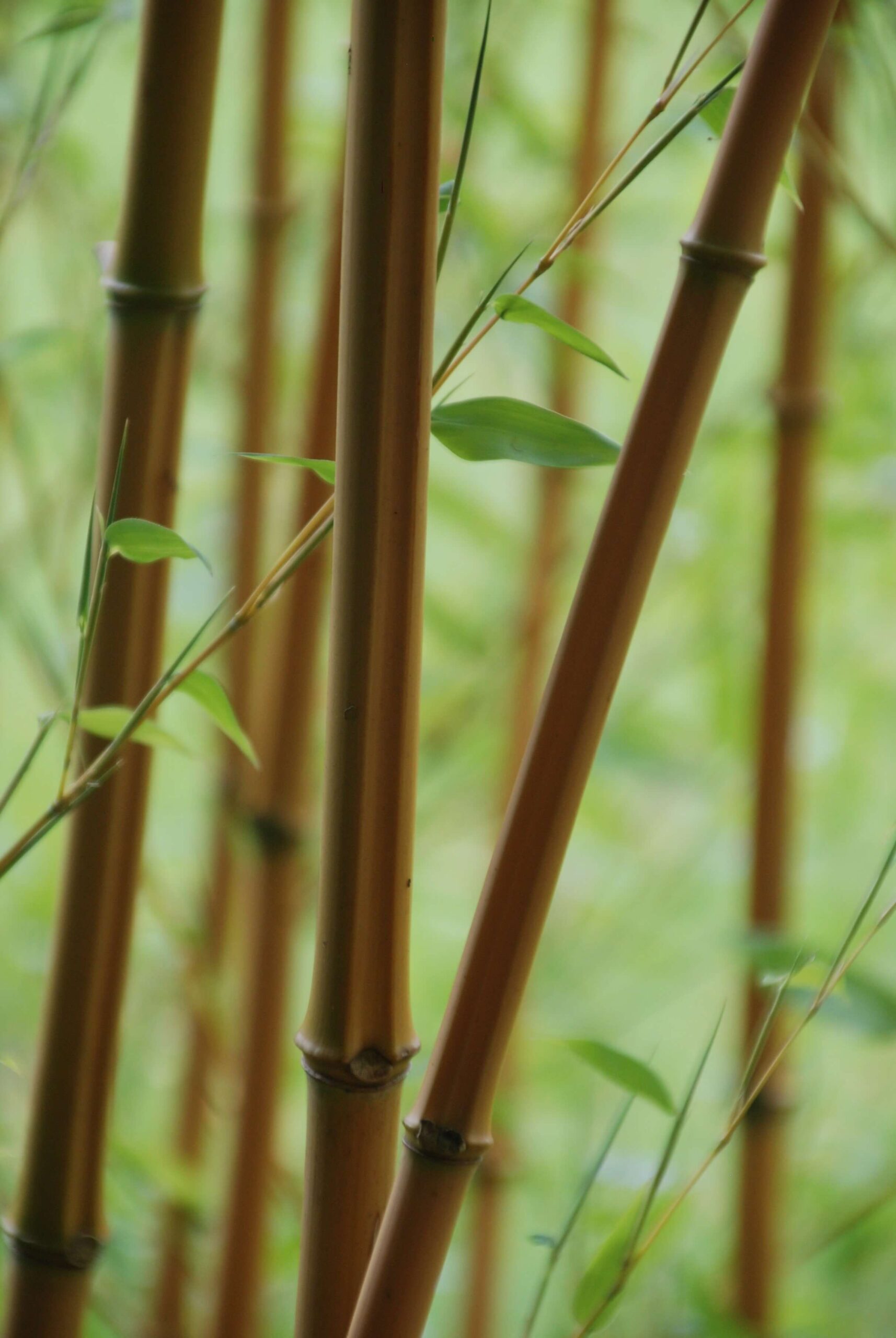
No — bamboo is not a tree. Bamboo is a type of grass with a hard, woody-looking stem, which is why it is often mistaken for wood. Once harvested, dried and shaped, it can behave like a useful timber-style material, but botanically it is grass, not wood.
That small detail matters. When people ask “what is a bamboo?” or try to define bamboo, the clearest answer is this: bamboo is a fast-renewing grass that can be used in many of the same practical places where we might otherwise use plastic or slow-grown wood.
From creation myths to modern trends
Bamboo’s relationship with humanity is as old as time itself. In various Asian creation myths, bamboo is more than just a plant. It is tied to stories of shelter, tools, survival and even the beginning of human life.
One legend from the Andaman Islands tells of the first man, Juptu, who was born when a thick bamboo shoot cracked open. Finding himself in a rainstorm, he used bamboo to make a sturdy hut. Later, he used it for utensils, shelter and practical everyday living.
Today, bamboo is back in the spotlight. It is trendy, yes, but not in a here-today-gone-tomorrow sort of way. Bamboo is popular because it is genuinely useful, naturally renewable and very good at replacing some plastic-heavy everyday items.
Why choose bamboo?
Bamboo is useful because it combines strength, speed and renewability. It grows densely, produces a lot of usable material from a relatively small area, and can be harvested without waiting decades for a tree to mature.
That does not mean bamboo can single-handedly save the planet while we all clap politely from the sidelines. The real world is more complicated than that. But choosing bamboo where it makes sense is still a very sensible step in the right direction.
In a world drowning in plastic, bamboo offers a lower-waste escape route for some of the everyday items we use again and again.

Five bamboo facts that are genuinely a bit ridiculous
Bamboo is not just “nice eco stick material”. It is fast, strong, strange and occasionally a bit show-offy. Here are five reasons bamboo deserves a little more respect.
For the gloriously curious: these bamboo facts are backed by sources including a global bamboo species study, Guinness World Records, Hong Kong bamboo scaffolding safety guidance and a bamboo flooring hardness comparison.
Why bamboo instead of slow-grown wood?
Choosing bamboo is not about deciding that trees are bad. Trees are brilliant. Frankly, trees are doing a lot more useful work than most of us on a Tuesday afternoon.
When people compare bamboo vs wood, the point is not that wood is bad. The point is that slow-grown woodlands are living systems, not just future planks. A mature tree can support insects, birds, fungi, lichens, mosses and all sorts of tiny creatures quietly getting on with the business of being alive. Some trees take decades or even centuries to become that valuable.
When we cut down mature wood for small everyday items, we are not only removing a lump of useful material. We may also be disturbing a whole little world that took a very long time to build. Bamboo gives us a strong, useful, woody-looking material without needing to put the same pressure on slow-growing forest habitats.
That is the real reason bamboo matters: not because it is perfect, and not because we should all start worshipping a toothbrush handle, but because it can help us save slow-grown wood for places where wood is genuinely needed — and leave more living trees doing tree things.
Why bamboo is sustainable
Why bamboo is sustainable comes down to the way it renews. Because it grows from an established root system, many types can be harvested without starting again from scratch in the same way as slower-growing tree crops.
That makes bamboo useful as a bamboo eco friendly material when it is chosen for the right job: strong enough for practical everyday items, but renewable enough to make sense as a lower-waste alternative.
That is the key point. Bamboo works best when it is used sensibly: not as a marketing gimmick, but as a durable, renewable material in products where it actually makes sense.
What is bamboo used for?
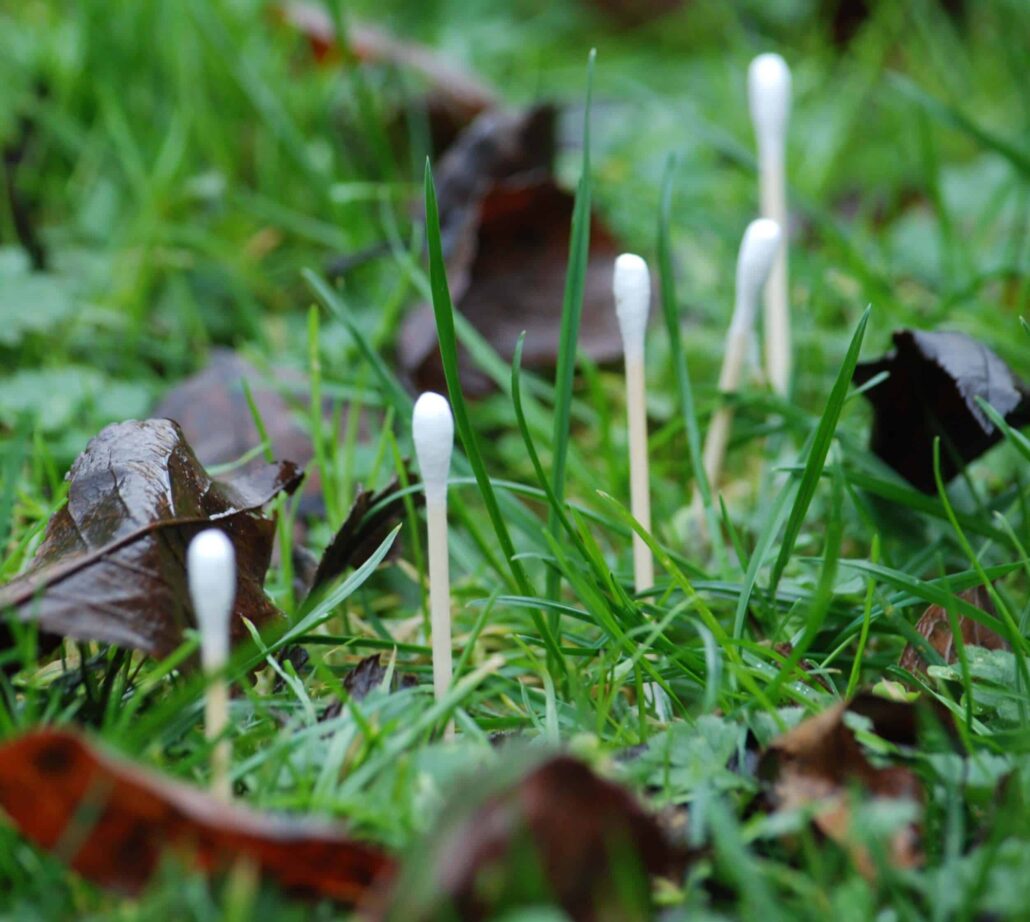
Bamboo is used for toothbrush handles, cotton bud stems, nail brushes, soap dishes, straws, kitchen items, paper products, textiles, furniture and even building materials. For everyday homes, its most useful role is often very simple: replacing plastic in small items that are used regularly and replaced often.
You also do not need to wait for a major renovation or a dramatic lifestyle overhaul. True change happens in daily habits. Swapping routine essentials for bamboo alternatives is a simple place to start.
Good plastic-free bamboo products include:
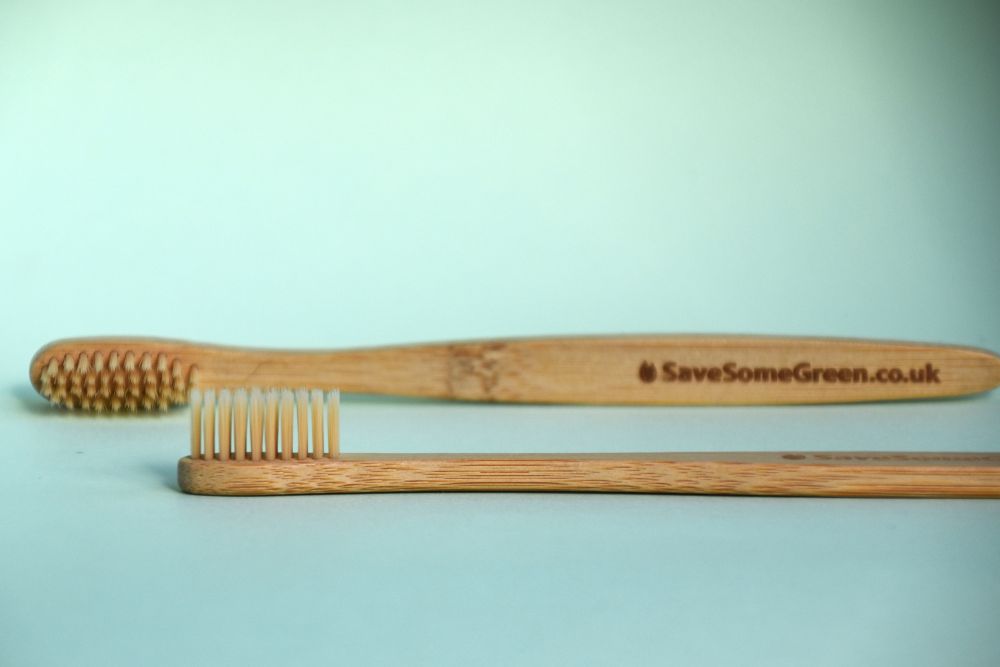
Choosing a bamboo toothbrush
The best bamboo toothbrush is the one you actually like using twice a day. Size and bristle firmness matter rather more than turning toothbrushing into a lifestyle manifesto.
Our bamboo toothbrush comes in standard, compact and kids sizes, with soft, medium and firm bristles. Soft suits a gentler clean, medium is the balanced everyday option, and firm is there for people who prefer a stronger brushing feel.
If you are searching for a hard bristle bamboo toothbrush, our closest match is the Firm bamboo toothbrush. We call it firm rather than hard because that is how the brush is actually sold.
Pandas and bamboo: the big misconception
Pandas are famously adorable, but they also cause a very fair question: if we use bamboo products, are we stealing lunch from a bear with excellent branding?
The answer is no. There are many different species of bamboo, and pandas only eat certain types. The bamboo used for flooring, fabric, paper and most everyday household products is not the same bamboo that pandas rely on for survival.
So your bamboo toothbrush is not barging into a panda’s kitchen and making off with dinner. You can enjoy the sustainability of bamboo products without getting in the way of a panda’s lunch.
Simple bamboo products we happen to sell
Here are a few easy Save Some Green bamboo swaps for the bathroom, kitchen, family home and general plastic-avoiding civilisation. They are simple, practical plastic-free bamboo products rather than dramatic lifestyle theatre.
Bamboo questions people often ask
Here are the quick answers for anyone wanting simple bamboo information without disappearing into a forest of technical detail.
The short version
Bamboo is a strong, woody-looking grass that can be made into a wide range of useful products. It is lightweight, renewable and practical when grown and harvested responsibly.
It is not timber from a tree, and it is not a miracle cure for every environmental problem. But it is a very sensible material for replacing some everyday plastic-heavy items and taking pressure off slower-growing wood where bamboo can do the job instead.
Choose bamboo where it makes sense: toothbrushes, cotton buds, brushes, soap dishes, straws, household tools and simple low-waste swaps. Small, repeatable changes. Less fuss. Fewer plastic bits. More trees left standing around being marvellous.
Ready to make bamboo useful?
Start with one easy swap. A toothbrush, cotton buds, a nail brush, a soap rack — nothing dramatic, just less plastic, less pressure on slow-grown wood, and more common sense.