Natural materials guide
All About Steel: What Is Stainless Steel?
What is stainless steel? It is a strong, reusable steel alloy designed to resist rust, shrug off daily use and stick around for years rather than becoming another short-lived plastic bit in the drawer.
What is stainless steel?
Stainless steel is steel mixed with chromium, usually at least 10.5% chromium, which helps it resist rust and corrosion. The chromium reacts with oxygen to form a very thin protective surface layer, often called a passive layer.
That protective layer is the clever bit. It helps stainless steel survive everyday moisture, washing, food use and kitchen chaos far better than ordinary steel. It does not make stainless steel indestructible or magically immune to everything, but it does make it seriously useful.
For simple household swaps, stainless steel is useful because it is durable, washable, reusable and widely recyclable. In other words, it is very good at not giving up after three uses and sulking in a bin.
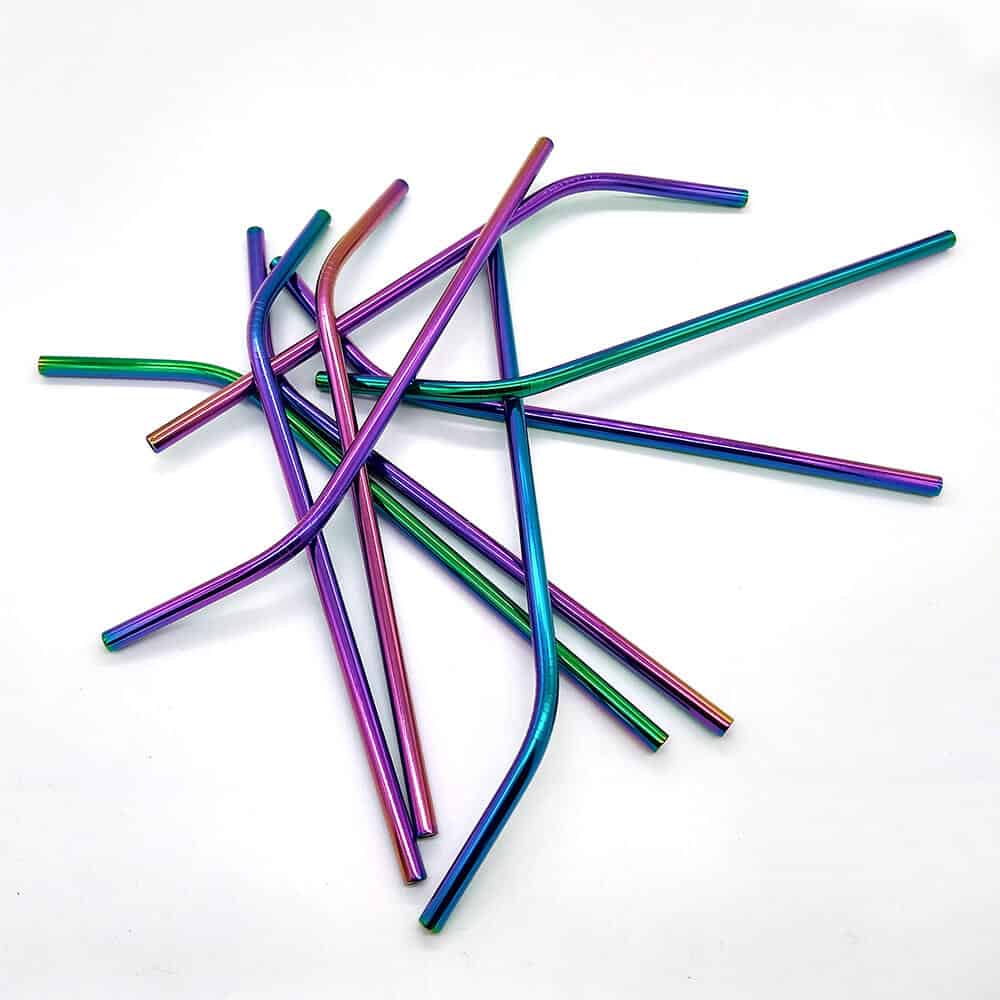
Rust-resistant
Stainless steel uses chromium to form a protective surface layer that helps resist corrosion.
Long-lasting
It is chosen for products that need to be strong, washable and used again and again.
Recyclable
Stainless steel can be recycled without losing the useful properties that make it valuable.
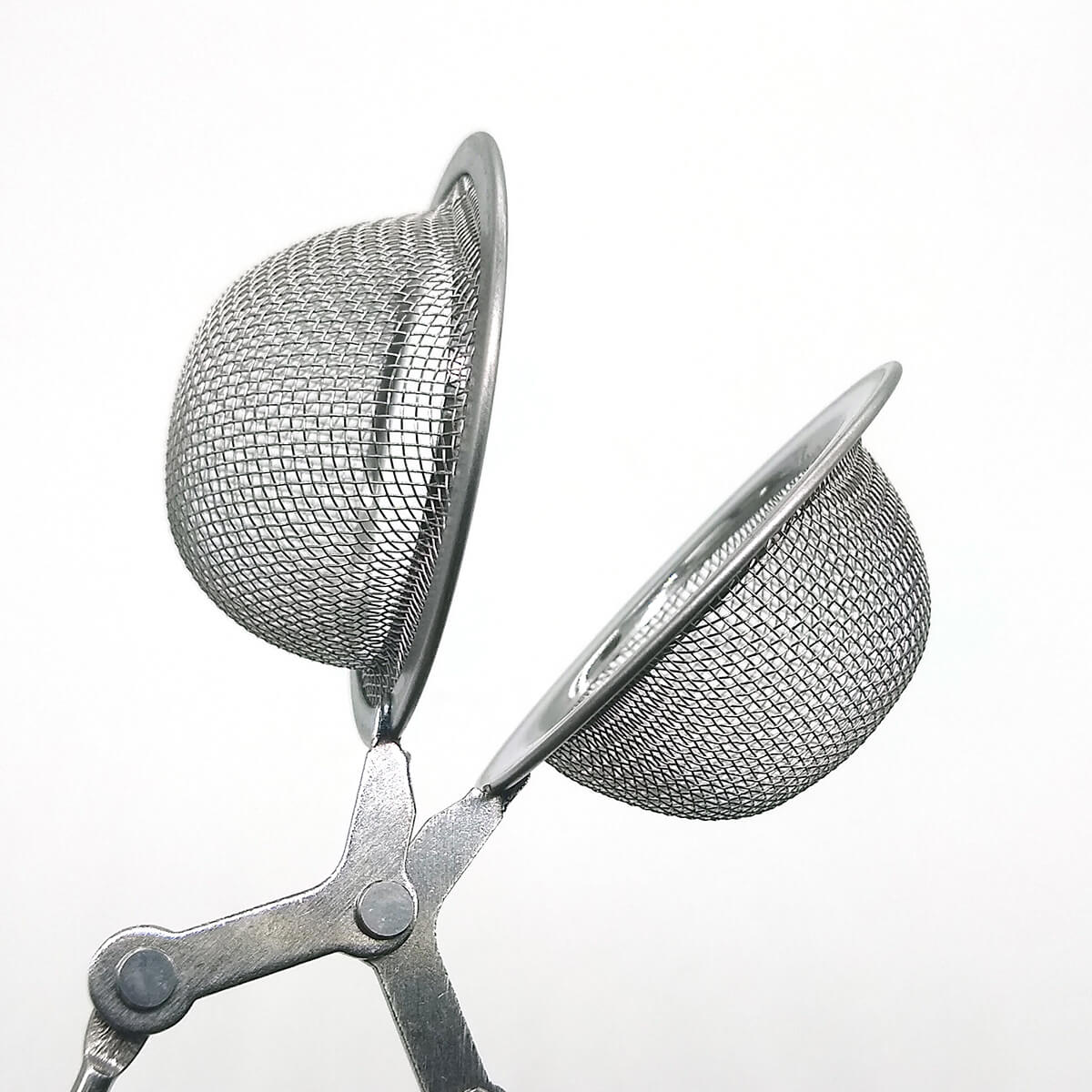
Stainless steel definition: what does stainless steel mean?
The simple stainless steel definition is this: it is steel made with enough chromium to help protect the surface from rusting. The word “stainless” does not mean it can never stain, mark or corrode. It means it stains less easily than ordinary steel when it is used in the right conditions.
That is why stainless steel turns up in kitchens, cutlery, drinking straws, tea infusers, sinks, medical tools and all sorts of hardworking places where ordinary materials would quickly look like they had made poor life choices.
For homes, the appeal is straightforward: it is clean-looking, easy to wash, hard-wearing and much less dramatic than constantly replacing bendy plastic things.
Why use stainless steel instead of plastic?
Plastic is useful, but it is often used in places where we do not really need something disposable. A straw, a tea infuser, a food funnel or a reusable cutlery set should not need to have the life expectancy of a startled mayfly.
Stainless steel makes sense when the product needs to be used, washed, dried and used again. It can feel more expensive at first than single-use or flimsy plastic, but the point is that it keeps doing the job.
That is where stainless steel earns its place in plastic-free living: not because it is soft, rustic or compostable, but because it is practical, long-lasting and very hard to embarrass.
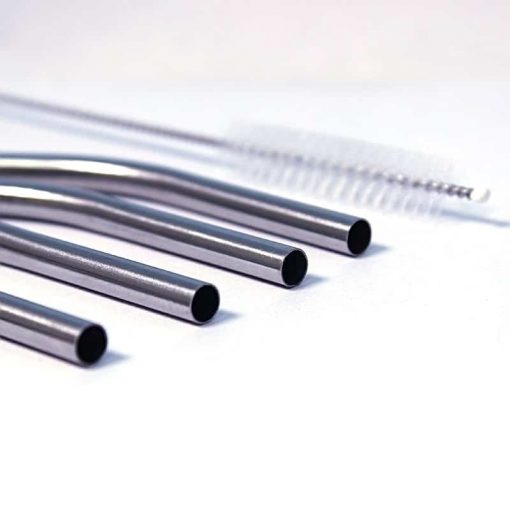
Five stainless steel facts that are genuinely useful
Steel can sound a bit industrial and serious, but stainless steel is quietly doing a lot of everyday work. Here are five facts that explain why it keeps turning up in sensible reusable products.
Is stainless steel sustainable?
Stainless steel is not low-impact in the way a plant fibre can be. It takes energy and resources to make. The sustainability argument is different: it is strong, long-lasting, reusable and highly recyclable.
That makes stainless steel a good choice where durability really matters. A reusable stainless steel straw, tea infuser, funnel, chopstick set or clothes peg can replace lots of disposable, flimsy or short-lived alternatives over time.
So no, stainless steel is not a magic green fairy metal. It is simply a very sensible material when the alternative is repeatedly replacing plastic bits that never needed to be disposable in the first place.
What is stainless steel used for?
Stainless steel is used for cutlery, sinks, pans, kitchen tools, medical equipment, construction, food processing, straws, tea infusers, funnels, reusable eating sets and good old-fashioned clothes pegs. It is especially useful where a product needs to be strong, cleanable and resistant to moisture.
In a low-waste home, stainless steel works best for the things you want to keep using: drinking straws, loose leaf tea infusers, chopsticks, lunch tools, jam funnels, stainless steel clothes pegs and other everyday items that should not need replacing every five minutes.
Good reusable stainless steel swaps include:
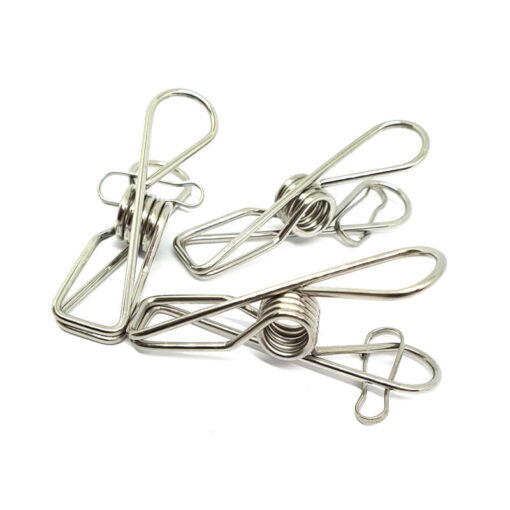
- Bag ‘O’ Pegs — completely plastic-free stainless steel clothes pegs
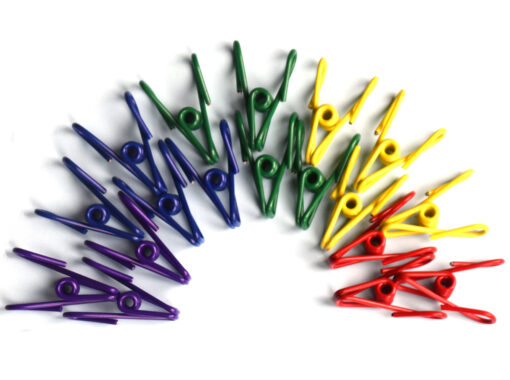
- Steel Rainbow Pegs — chunky stainless steel clothes pegs with a colourful plastic coating
- Stainless steel drinking straws for plastic-free cold drinks
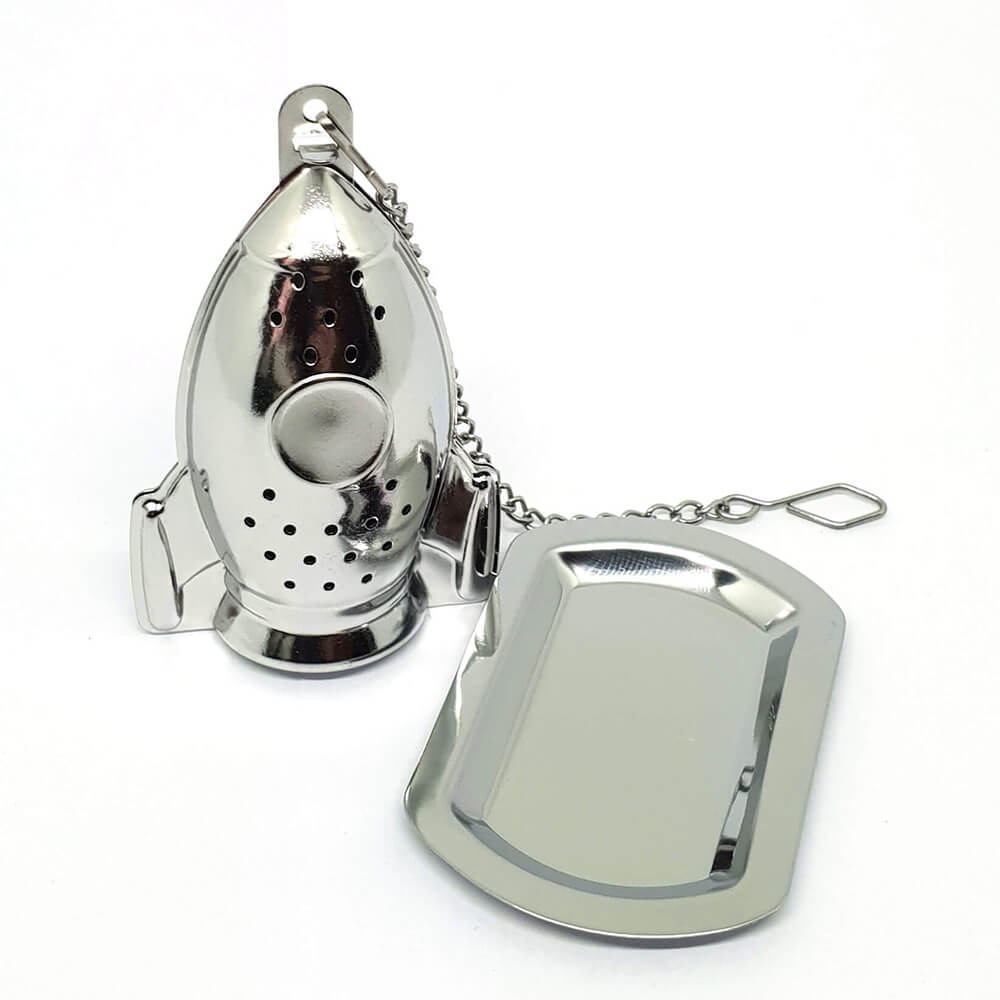
- Stainless steel tea infusers for loose leaf tea
- Reusable stainless steel chopsticks for lower-waste meals
If you want your pegs completely plastic free, Bag ‘O’ Pegs are the ones. Our Steel Rainbow Pegs are also made from 304 stainless steel, but they have a colourful plastic coating. We say that plainly on the product page — they arrived through a supplier mix-up, and putting strong, perfectly usable pegs to work made considerably more sense than wasting them.
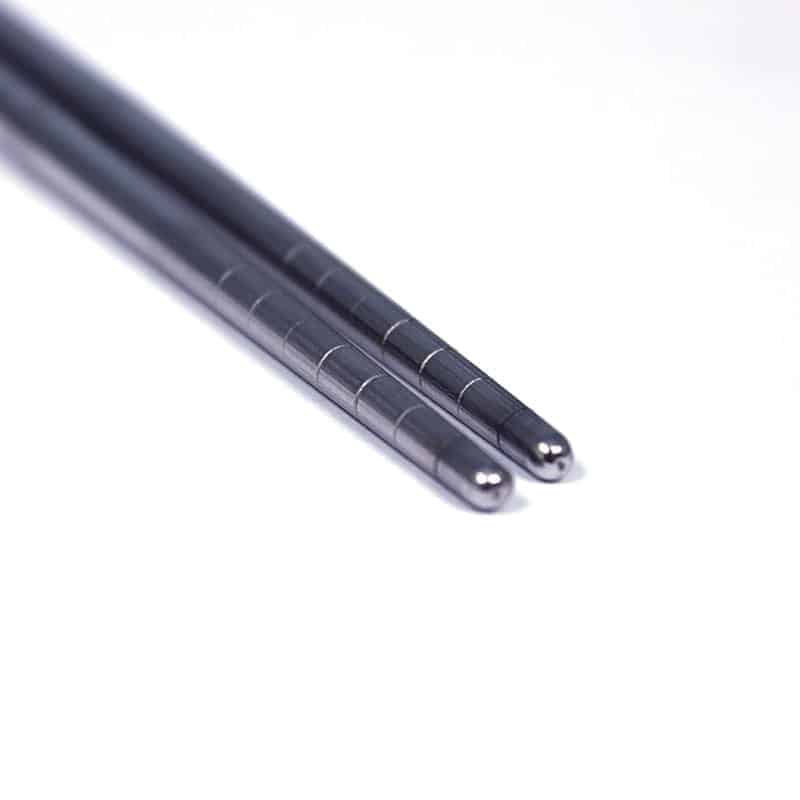
Simple stainless steel swaps we happen to sell
Here are a few practical Save Some Green stainless steel products for washing lines, tea, drinks, lunches, preserving and general plastic-avoiding civilisation.
Stainless steel questions people often ask
Quick answers for anyone wanting useful stainless steel information without wandering into a metallurgy lecture wearing safety goggles.
Source rabbit hole: the British Stainless Steel Association explains the chromium/passive layer, and worldstainless reports that stainless steel is recyclable and has a high end-of-life recycling rate.

The short version
Stainless steel is a durable, rust-resistant steel alloy that works well for products that need to be used again and again. It is not soft, compostable or plant-based, but it is very good at doing practical jobs for a long time.
Choose stainless steel where strength, washing and reuse matter: clothes pegs, straws, tea infusers, chopsticks, funnels, food tools and other everyday items that do not need to be disposable.
Less single-use plastic. Fewer flimsy replacements. More things that sit in the drawer for years being useful without making a big performance of it.
Ready to make steel useful?
Start with one small reusable swap: clothes pegs, a straw, a tea infuser, chopsticks, a spork or a jam funnel. Not dramatic. Just less plastic nonsense and more things that last.